Everyone wants to talk about the render. The light falling across the floor, the mood, the strange thrill of seeing your space exist before a single wall is built. Nobody wants to talk about the document that makes that render possible, which is a shame, because the document is where the whole thing is won or lost.
A brief is not paperwork. It is the project. Everything downstream, the sketches, the material decisions, the final image you fall in love with, is only ever as good as the brief it grew from. Hand over a vague brief and you get a vague result. It will technically match what you asked for and feel nothing like what you wanted, and you will not be able to explain why. Hand over a precise one and the render comes back looking like the room that was already living in your head.
So let us talk about the boring document, because it is the most important thing you will produce in this entire process.
A vague brief produces exactly what you asked for and nothing you wanted. The render is only ever as good as the document underneath it.
Start With the Drawings, Because Everyone Skips Them
This is the part people skip, and it is the part that matters most. Precise 2D drawings. Floor plans with real measurements, elevations, anything that fixes the actual geometry of the space. Not a rough sketch on the back of an envelope. Not "it's about four meters, give or take." Without accurate dimensions, everything that follows is a guess wearing the costume of a design.
The most beautiful render in the world is worthless if the kitchen island it shows would not physically fit in your kitchen. We have seen it happen. A gorgeous concept, approved by everyone, built around a measurement that turned out to be off by thirty centimeters, and suddenly the whole thing collapses. Geometry is not negotiable. It is the floor the entire design stands on, and if that floor is wrong, nothing built on top of it can be right.
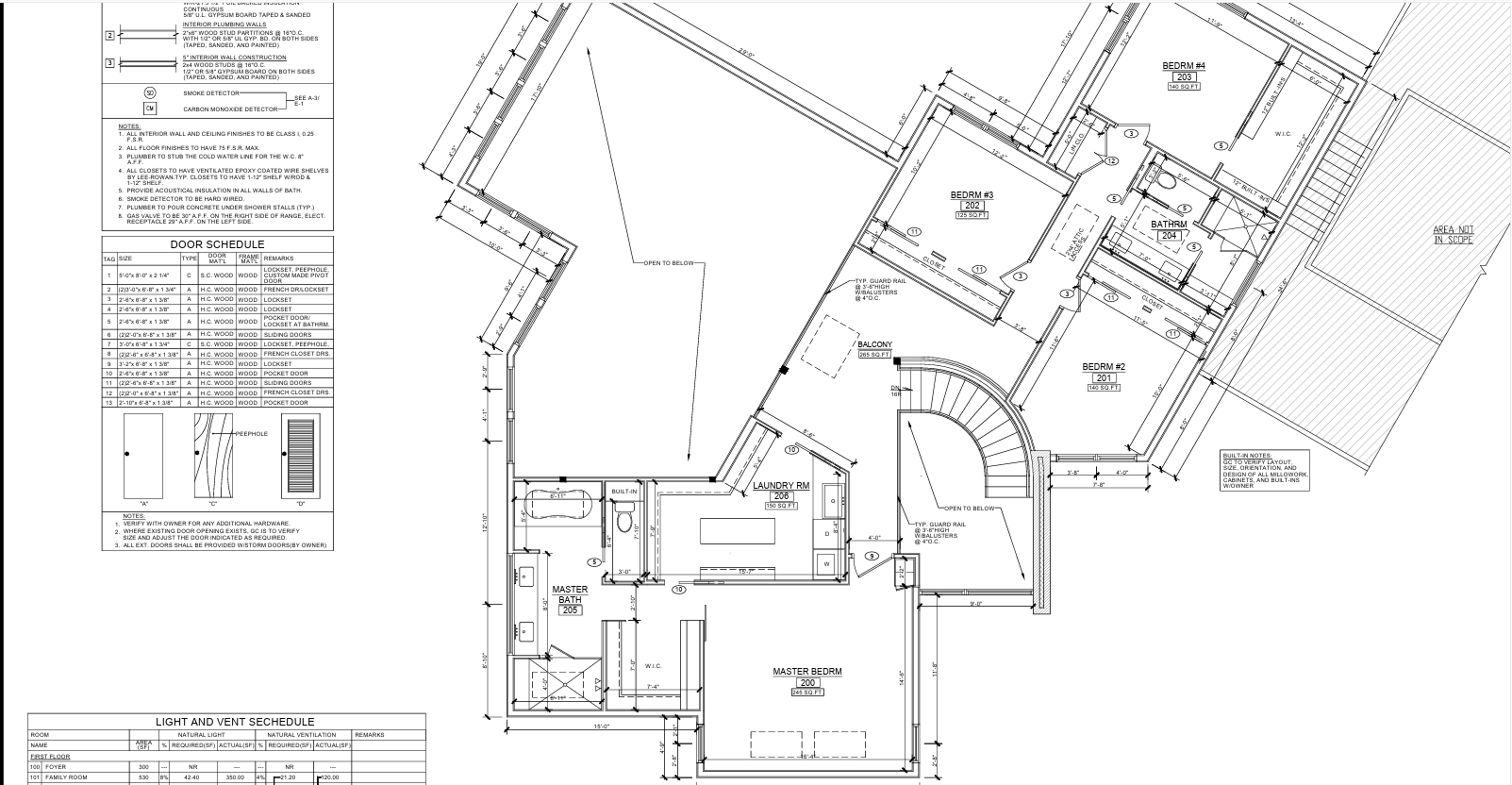
If you have proper architectural drawings, send them. If you do not, measure the room properly, corner to corner, ceiling height included, and note every door, window, outlet, and immovable obstacle. Boring work. Completely essential.
Then the References, Because Your Taste Is Not Telepathic
Here is the uncomfortable truth about taste. You cannot describe it, not accurately, not in words. "Warm and modern" means six different things to six different people. "Minimal but cozy" means nothing at all until someone shows you a picture of it. Words are where good design goes to get lost in translation.
So we work in references instead. Mood boards. Images of rooms you love, and just as usefully, rooms you hate, because knowing what makes you recoil is often sharper information than knowing what you like. Specific references for the style direction. The exact oak, not "some wood." The particular stone, the brass versus the blackened steel, the matte versus the polished. The more specific you are, the less we have to guess, and every guess we are forced to make is a place where the final result can drift away from what you actually wanted.
You cannot describe your taste accurately. Nobody can. That is what reference images are for. One picture settles an argument that a thousand words would start.
Collect more than you think you need. A reference for the overall feeling, references for individual materials and finishes, references for the small details that you cannot stop thinking about. This is not homework we assign to make our lives easier. It is the raw material of your design.
Show Us the Space As It Actually Is
If the room already exists, show it to us honestly. Photographs from every angle, not just the flattering ones. A walkthrough video if you can manage one, narrated if you like. The awkward corner, the strange ceiling height, the radiator that cannot move, the window that is six inches from where you remember it. We are not designing in a vacuum. We are designing into your real room, with all its quirks and constraints, and the more truthfully we see it, the fewer unpleasant surprises wait for you at the end.
A render built from an honest photo of the current space carries a weight that a render built from imagination never can. It shows you the future of your actual room, not a fantasy version of a room that resembles it.
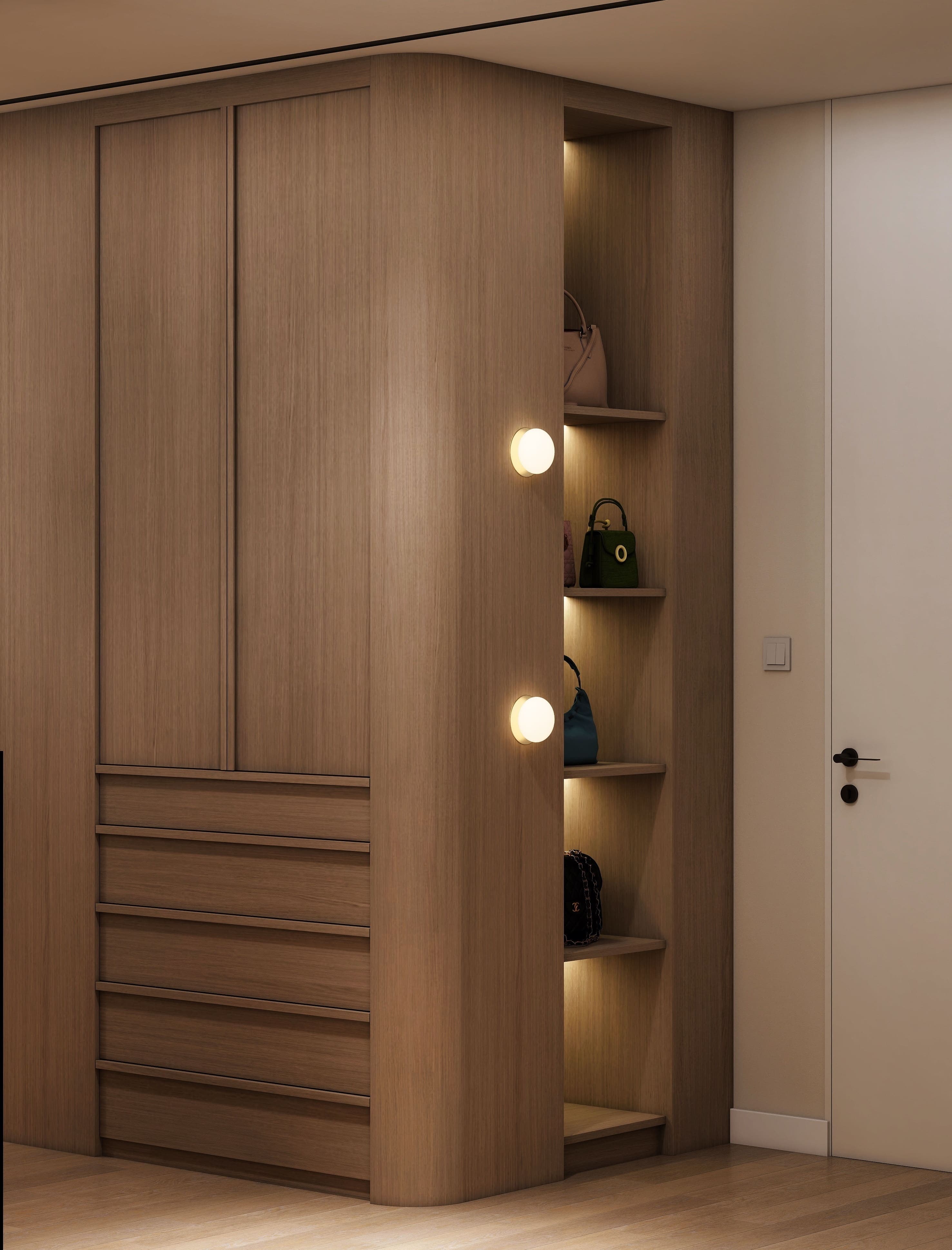
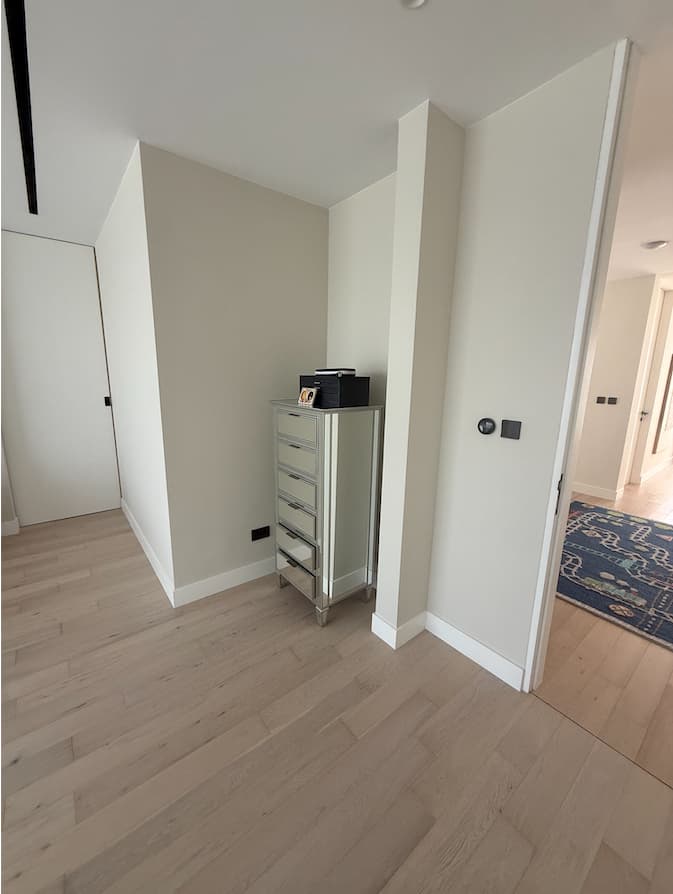
Drag to compare
And Then the Part That Is Not a File At All
Here is the thing most people misunderstand. Interior design is not a vending machine. You do not insert a brief, wait, and collect a finished render from the tray. It is a collaboration, and it runs over a set period, and during that window we will be in conversation constantly. Debating decisions. Reviewing sketches. Sitting with two material options and making the final call together.
That back and forth is not friction getting in the way of the work. It is the work. Every round of review pulls the result a little closer to what you actually want. The clients who stay engaged through that period, who answer the questions, who react honestly to the sketches, who tell us when something feels wrong even if they cannot say why, are the ones who end up with a space that feels genuinely, unmistakably theirs.
This is not a transaction. It is a conversation that happens to end in a render.
The ones who hand over a brief and disappear for three weeks get a competent result. The ones who stay in the room get a great one. We would always rather have your attention than your absence, because design made in dialogue is design that fits.
The Brief Sets the Direction. The Collaboration Keeps It Honest.
Put it all together and the picture is simple. The drawings fix the reality. The references fix the taste. The photos fix the starting point. The collaboration keeps every decision tethered to what you actually wanted, all the way to the end. The render, the thing everybody wanted to talk about from the start, turns out to be nothing more than the proof that all of it was done well.
Bring the drawings. Bring the references. Bring the honest photos of the space. And bring your attention for the few weeks it takes. Do that, and the result will not just look good. It will look like yours, which is the only standard that has ever mattered.