There is a particular kind of certainty that comes from standing in a room. You know at once whether the ceiling is generous, whether the kitchen feels connected to the garden, whether the hallway is a pleasure or a corridor. Floor plans cannot give you that. Until recently, neither could anything else short of building the house.
Today you can walk through a home months before the foundations are poured. This guide explains the three ways to do it, what each one shows, and how to get the most from them.
Stills, 360° tours and video
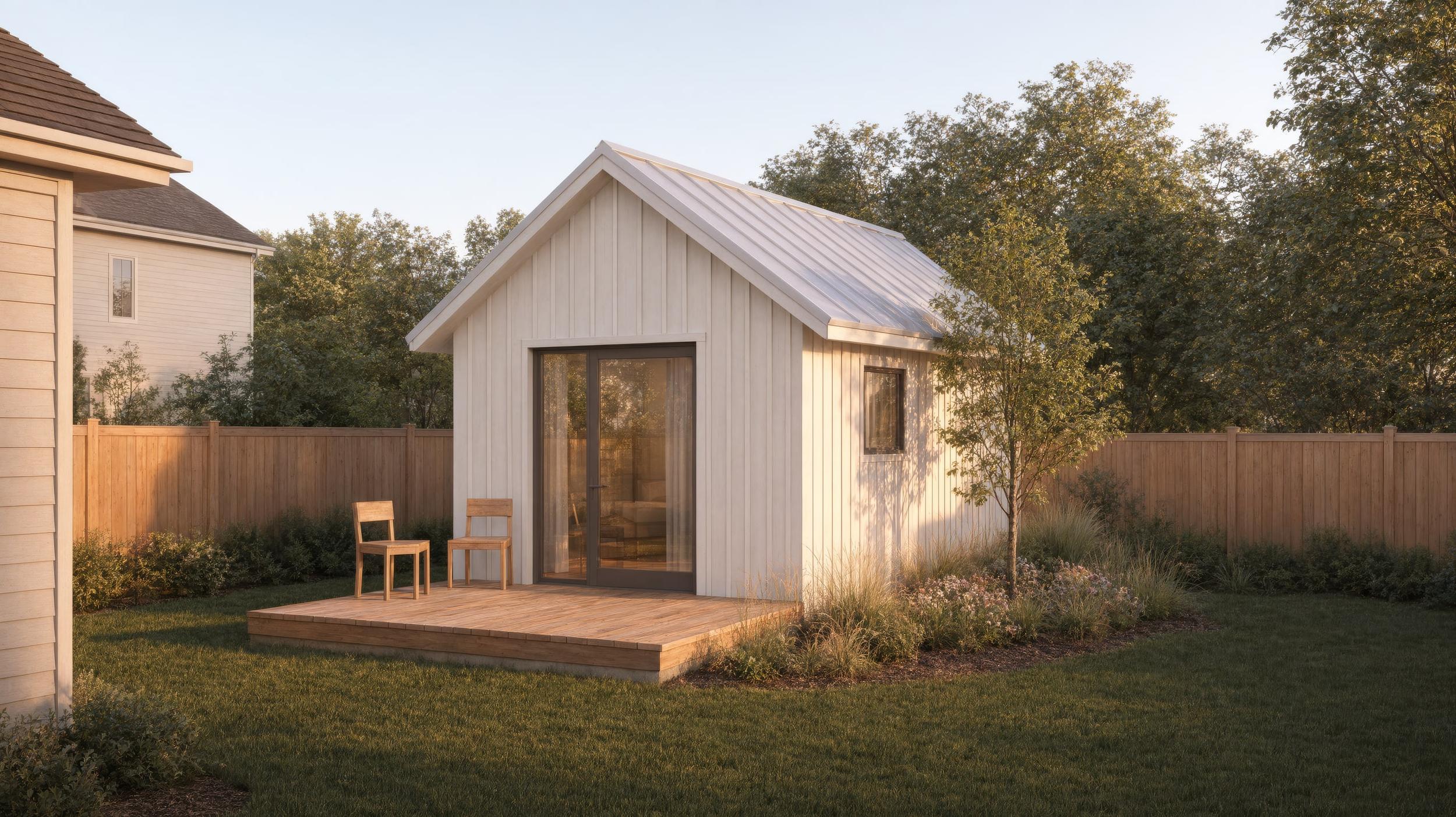
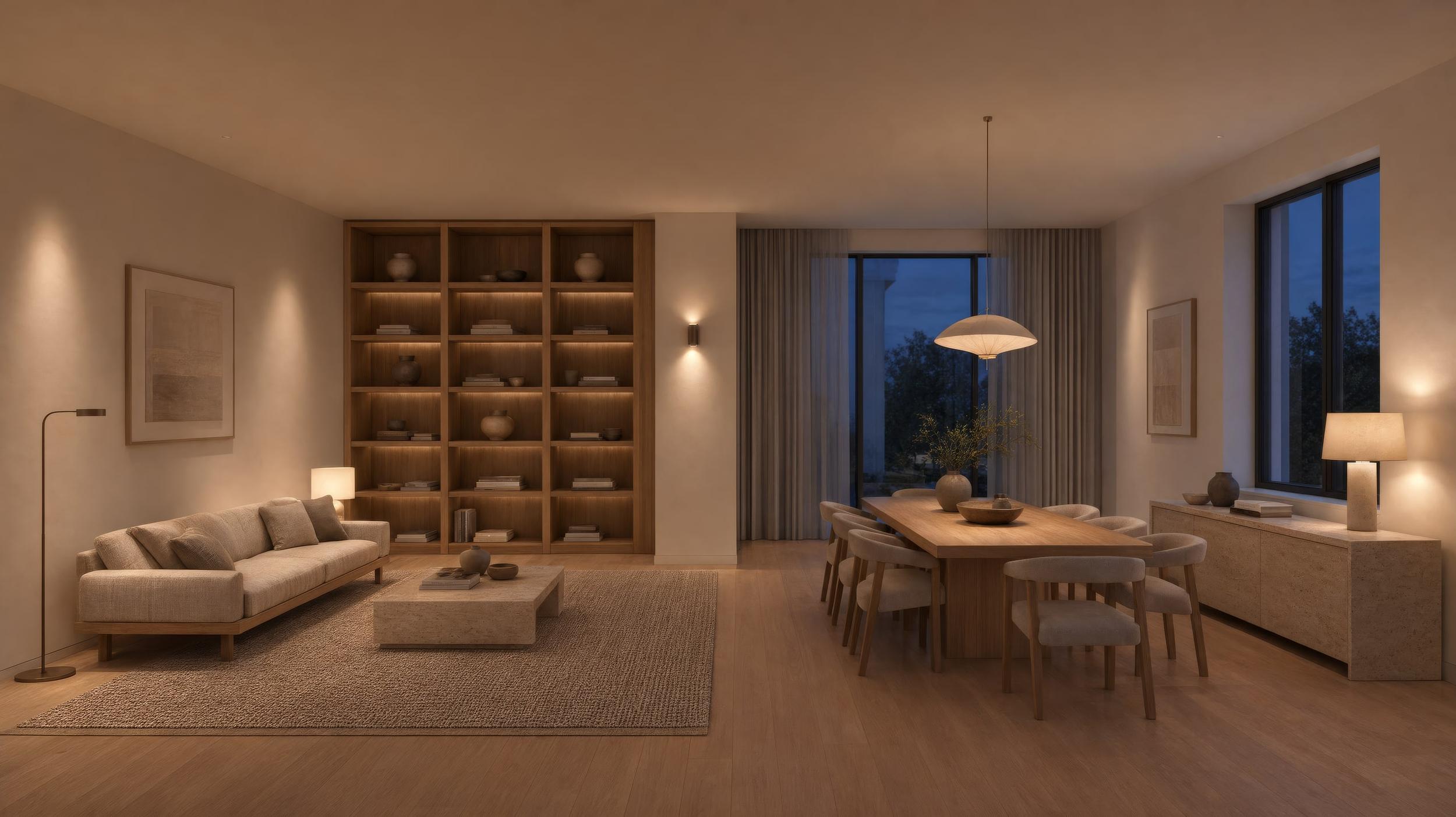
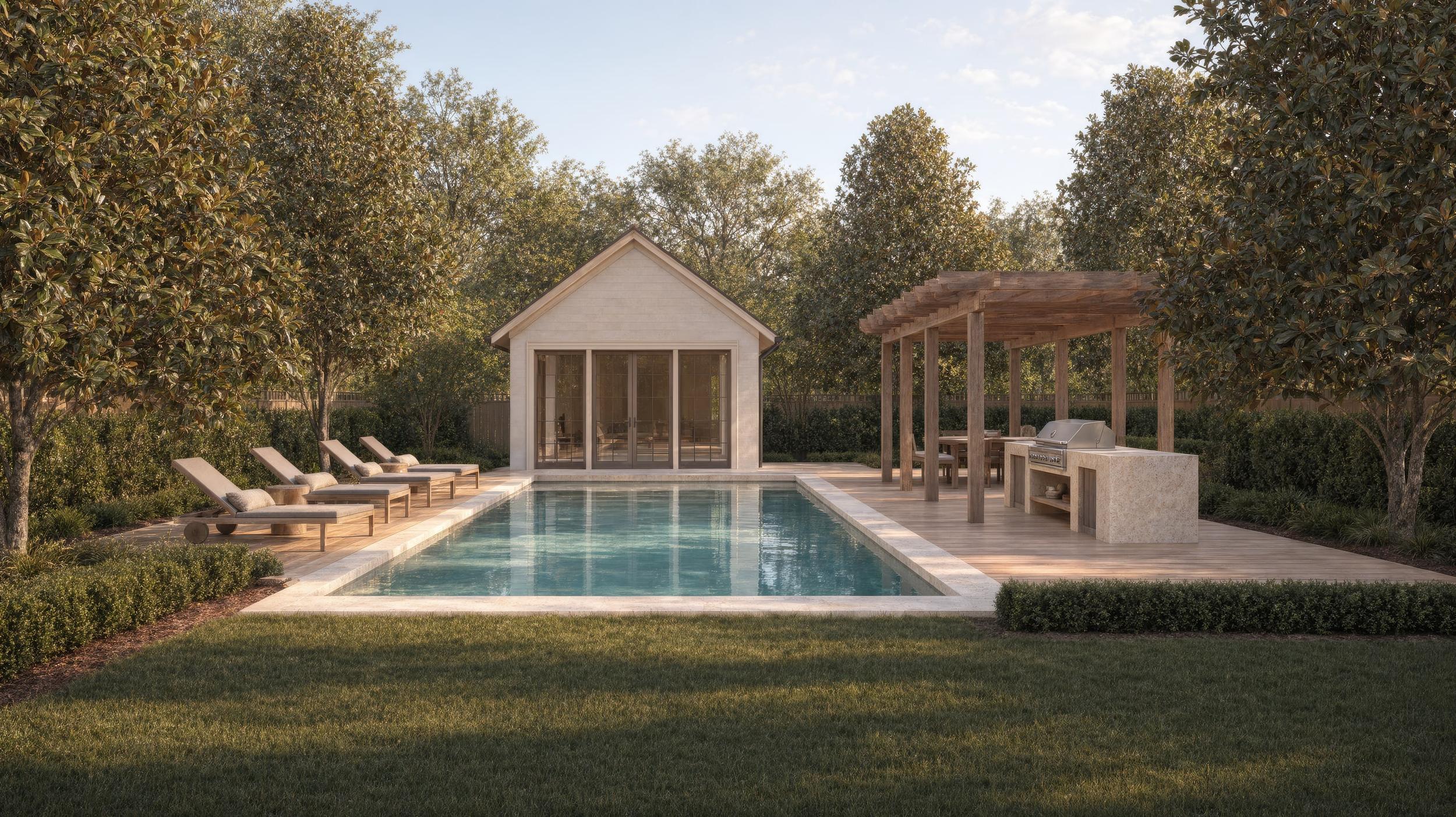
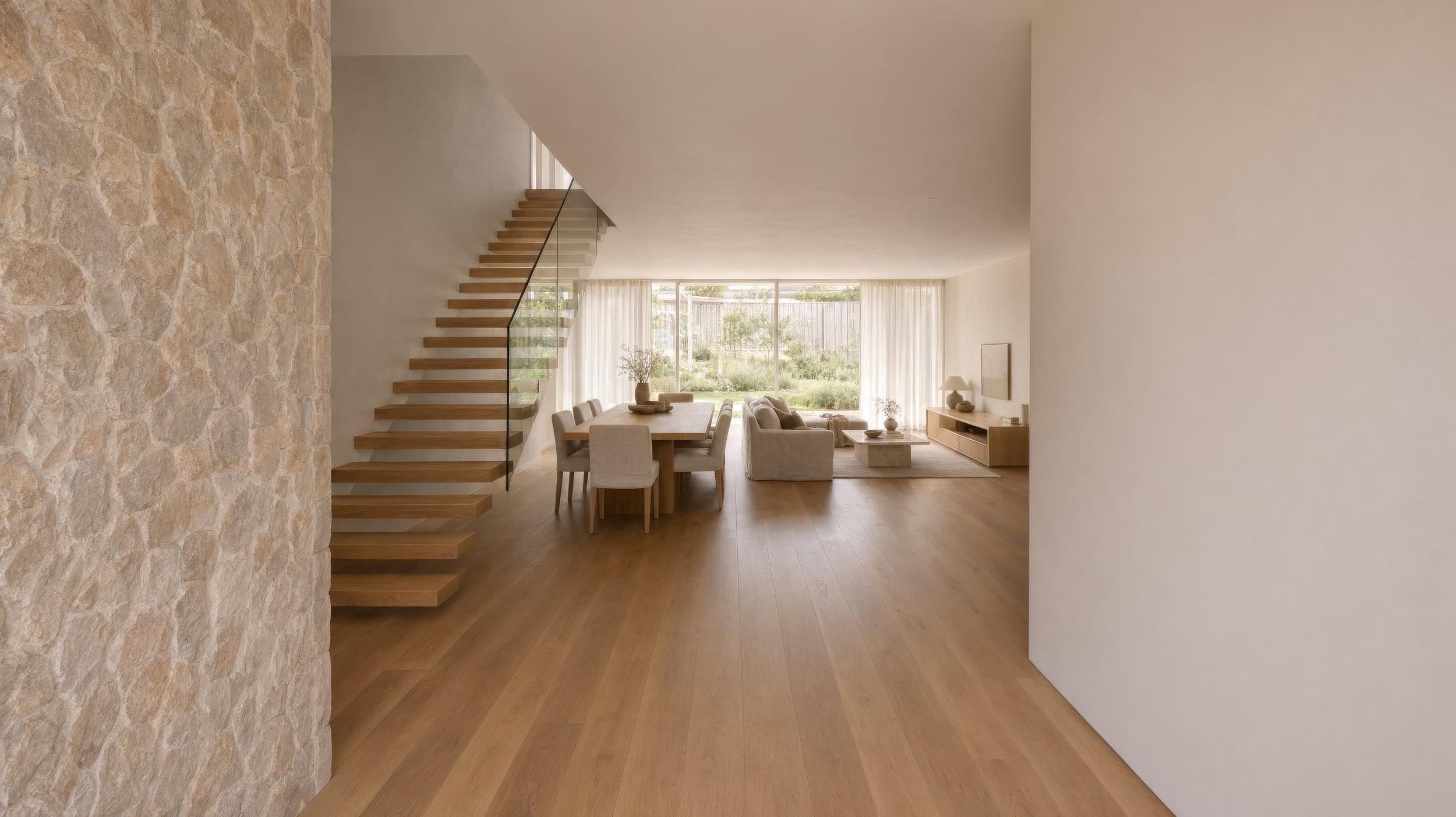
Still renders are photorealistic images of a room from a chosen viewpoint, like the photographs in a magazine feature. They are the best way to judge materials, light and atmosphere, and the easiest to share. Most projects start here.
360° tours are panoramic images that let you look in every direction from a point in the room, on a phone, a laptop or a VR headset. Linked together, they let you move from room to room: step into the hall, turn to see the stairs, walk on into the kitchen. They are the closest thing to standing in the house.
Walkthrough videos are a guided camera path through the home, produced like a short film. They are excellent for telling the story of a house to people who will not explore it themselves, and less useful for checking a detail, because you see what the camera chooses.
What a tour catches that stills miss
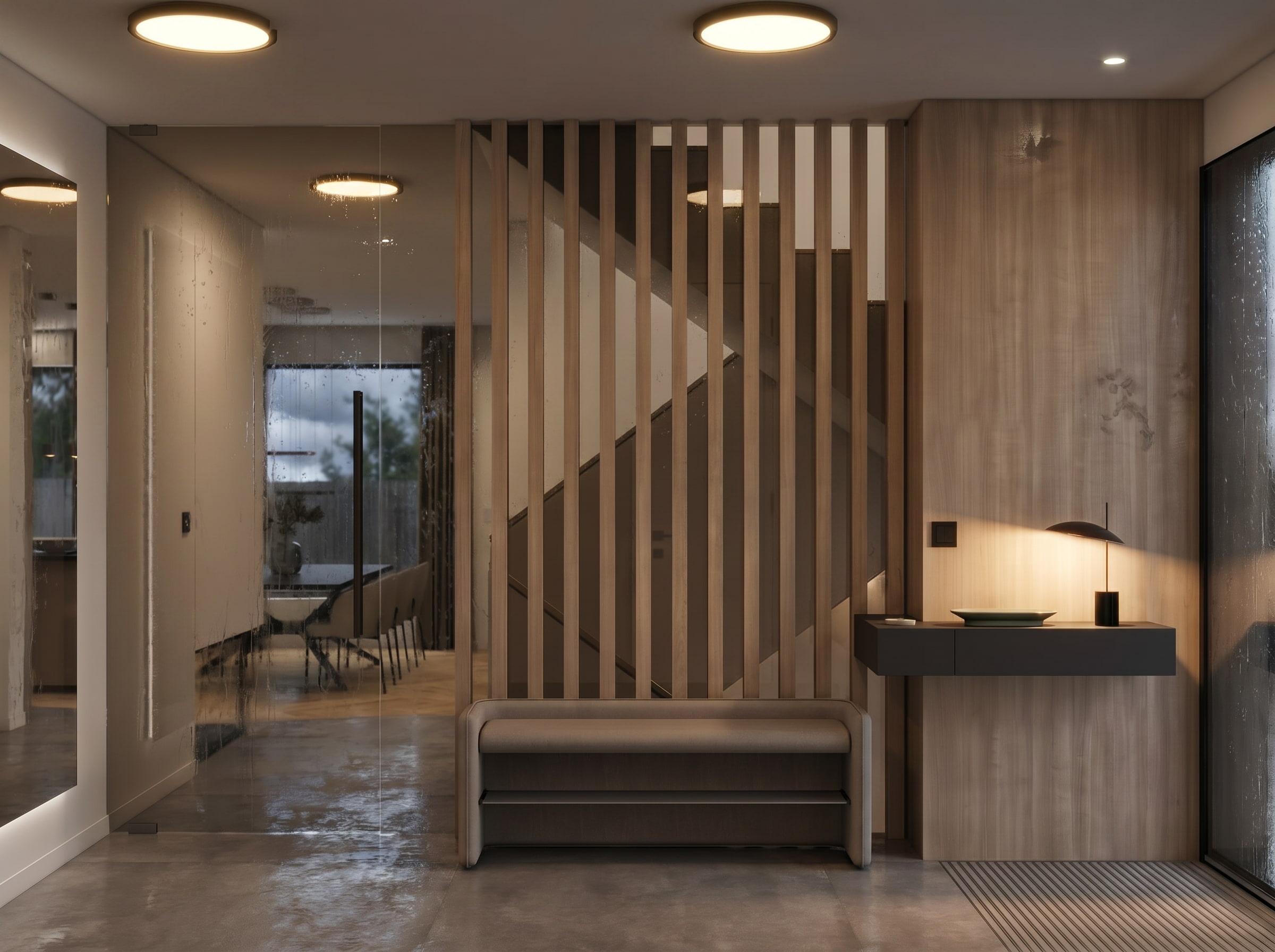
Still images are chosen viewpoints, and good ones are composed to look their best. A tour has no best angle. You can look at the corner nobody photographs, turn around to see what is behind you, and check how one room leads into the next.
That makes tours especially good at revealing:
- How you move through the house. Whether the route from the front door to the kitchen feels natural, and what you see along the way.
- Sight lines between rooms. What is visible from the sofa through an open doorway, or from the kitchen sink across the open-plan space.
- The ceiling and the floor. Stills tend to frame the middle of the room. In a tour you look up at the beams and down at the stair.
- Proportion. Turning slowly in a room gives a better sense of its size than any single picture.
When each is worth it
For a single room, such as a kitchen or bathroom, two or three well-chosen stills usually answer every question. For an open-plan space, a 360° panorama from the middle of the room adds a lot for little cost. For a whole new home, a linked tour of the main rooms is where the value is greatest, because the experience of moving through the house is the thing you are designing. A walkthrough video earns its place when you need to present the house to people who will not open a tour: investors, buyers, a family overseas.
How it works
Every image starts with the same accurate 3D model, built from your plans at real dimensions, with the materials, furniture and lighting designed with you. From that model we render the stills first, so you can approve the design in detail. The panoramas are rendered from the same model, placed on the plan and linked room to room, and the finished tour opens from a private link on any device. You can see an example in some of our case studies, which include a 360° tour you can walk through yourself.
Because the tour and the stills come from one model, they always agree, and changes made during your revision rounds carry into both.
Using it with your family, builder and buyers
Family. A tour is the most direct way to get everyone's opinion before it is too late to change. Send the link and let each person walk through on their own phone.
Your builder. Contractors understand a project faster when they can look around it. A tour alongside the drawings answers questions that would otherwise come as phone calls.
Lenders, buyers and partners. If you are building to sell, or financing the build, a tour communicates the finished home better than any brochure.
What to send us to start
Your floor plans in any format, elevations or sections if you have them, photos of the site or the existing house, and images of homes and rooms you love. Tell us which rooms matter most and who will use the tour. We will come back with a scope and a fixed quote within 24 hours. Tours are an add-on to any project, from a single room to a whole new home, and you can see what is included on our pricing page. For a sense of how the renders themselves are made, see how to read a floor plan and our guide to custom homes.
Frequently asked questions
What is a 360 virtual tour of a house plan?
It is a set of panoramic images rendered from a 3D model of the house, linked room to room, that lets you look in every direction and move through the home on a phone, computer or VR headset before it is built.
Can I see my house in 3D before it is built?
Yes. A photorealistic 3D model built from your plans can be shown as still renders, as a 360° tour you move through, or as a walkthrough video.
How is a virtual tour different from a 3D render?
A render is a single image from a fixed viewpoint, best for judging materials and light. A virtual tour lets you look around freely and move between rooms, which is better for judging space, flow and sight lines.
Do I need a VR headset to view a virtual tour?
No. Tours open in any web browser on a phone, tablet or computer. A VR headset makes the experience more immersive, but it is optional.